History
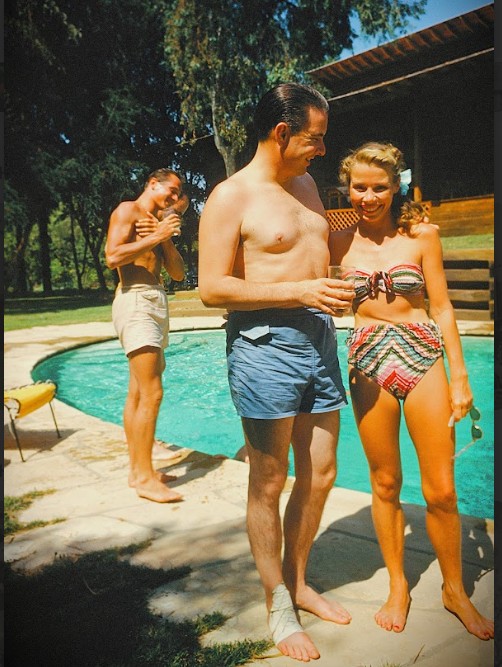
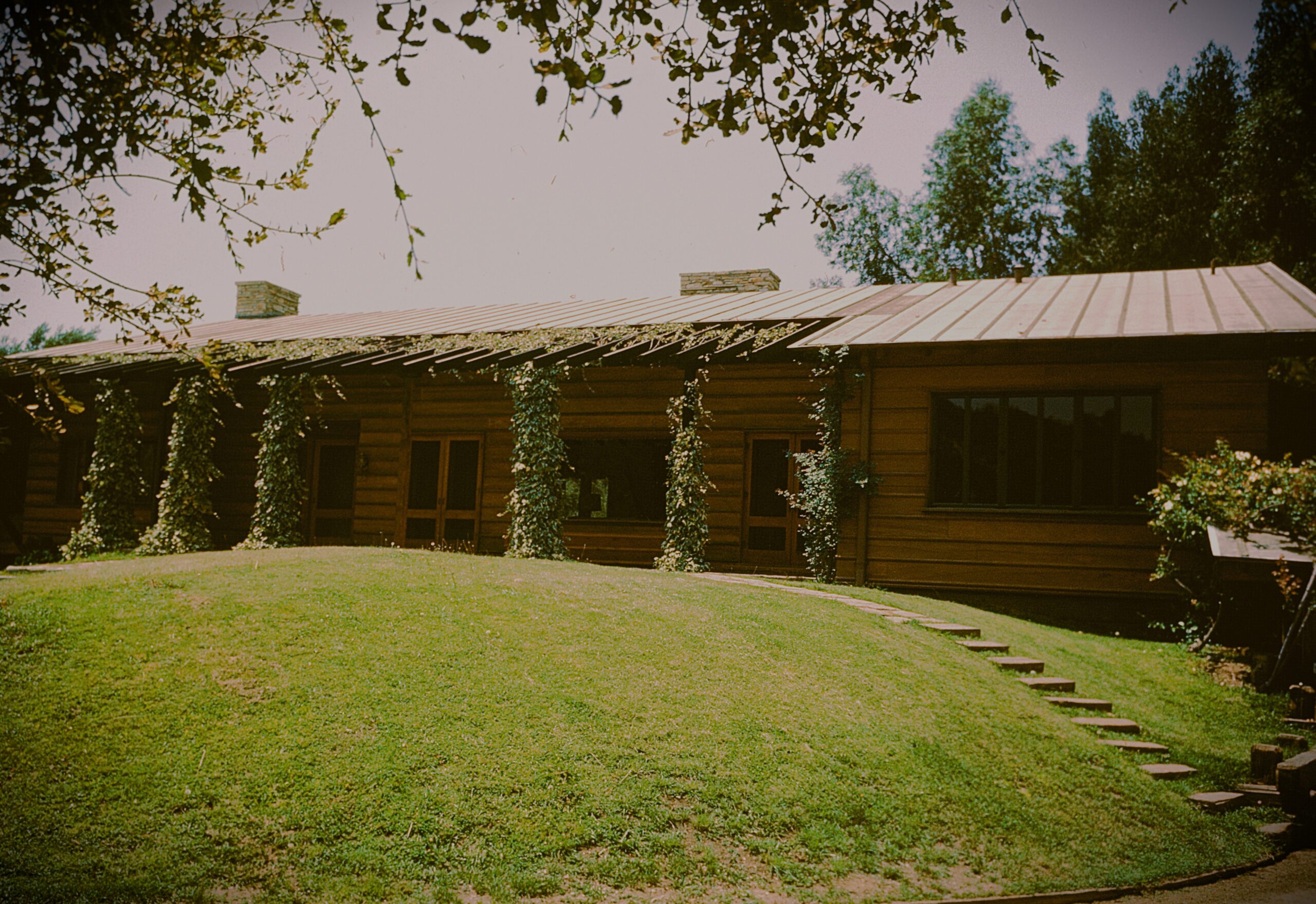
In the 1940s, my father purchased John Huston’s ranch in Tarzana, California. The original living room had been converted into Huston’s private movie screening room, complete with professional projection equipment. My parents preserved the projection room and screen, maintaining a remarkable piece of Hollywood history within our home.
My love of trains began almost at birth.
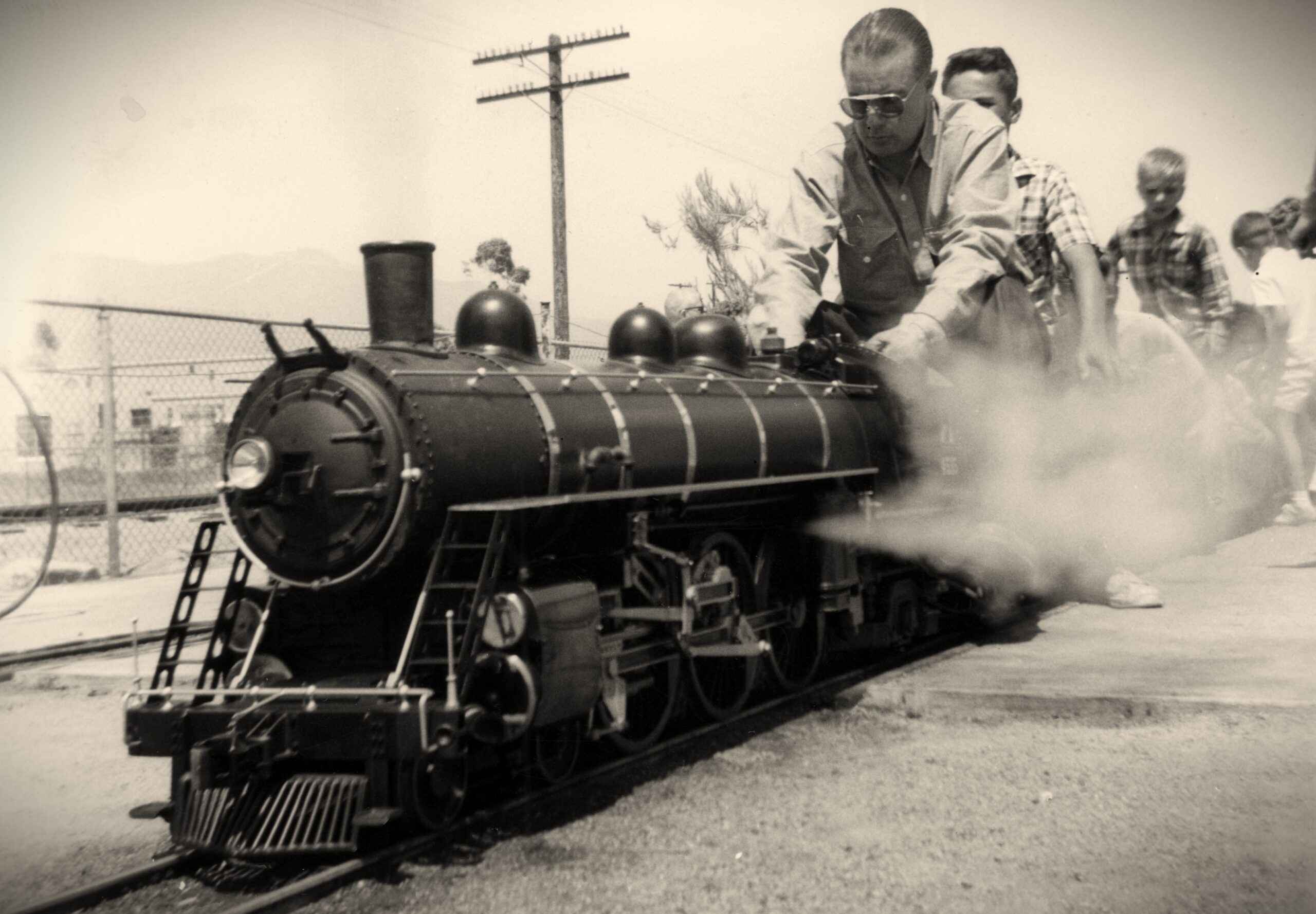
I was introduced to railroading as a baby through my father, Gordon MacLean, who was a close friend of Walt Disney. They met in the early 1950s through a mutual friend, , Stormy Palmer, who worked at Disney Studios. Stormy’s wife also worked at Disney and later became the lead animator for The Little Mermaid. At the time, my father owned the LA Green Sheet newspaper, and that connection led to a friendship rooted in creativity, engineering, and a shared fascination with steam locomotives and classic automobiles.
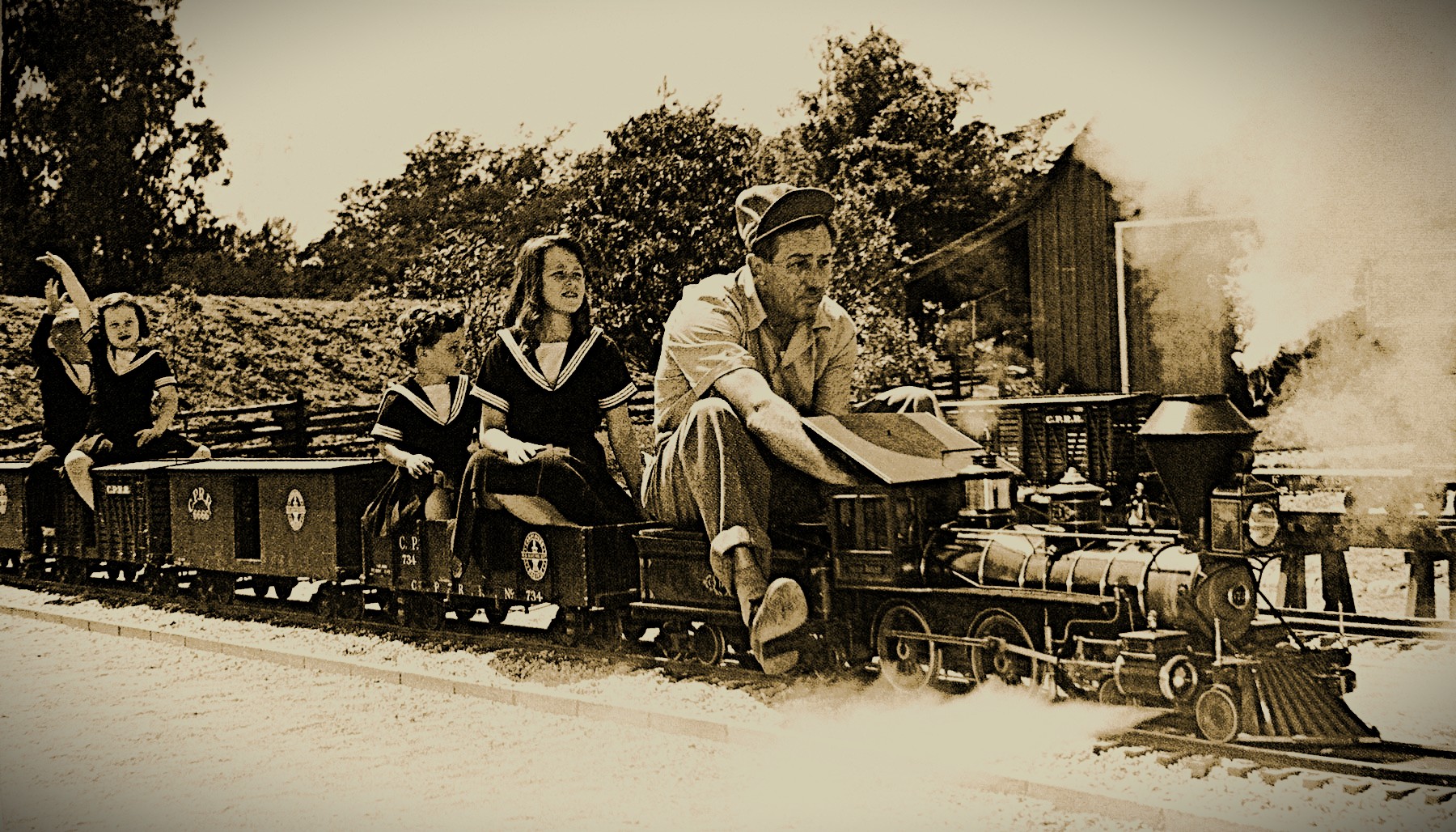
In the late 1950s, Walt and my father built a 7½-inch gauge live steam locomotive together. My father was also instrumental in the early formation of the Los Angeles Live Steamers, working alongside Walt Disney. True to his nature, however, my father did nearly all of his charitable and volunteer work anonymously, so his name does not appear on plaques or rosters despite his significant contributions.
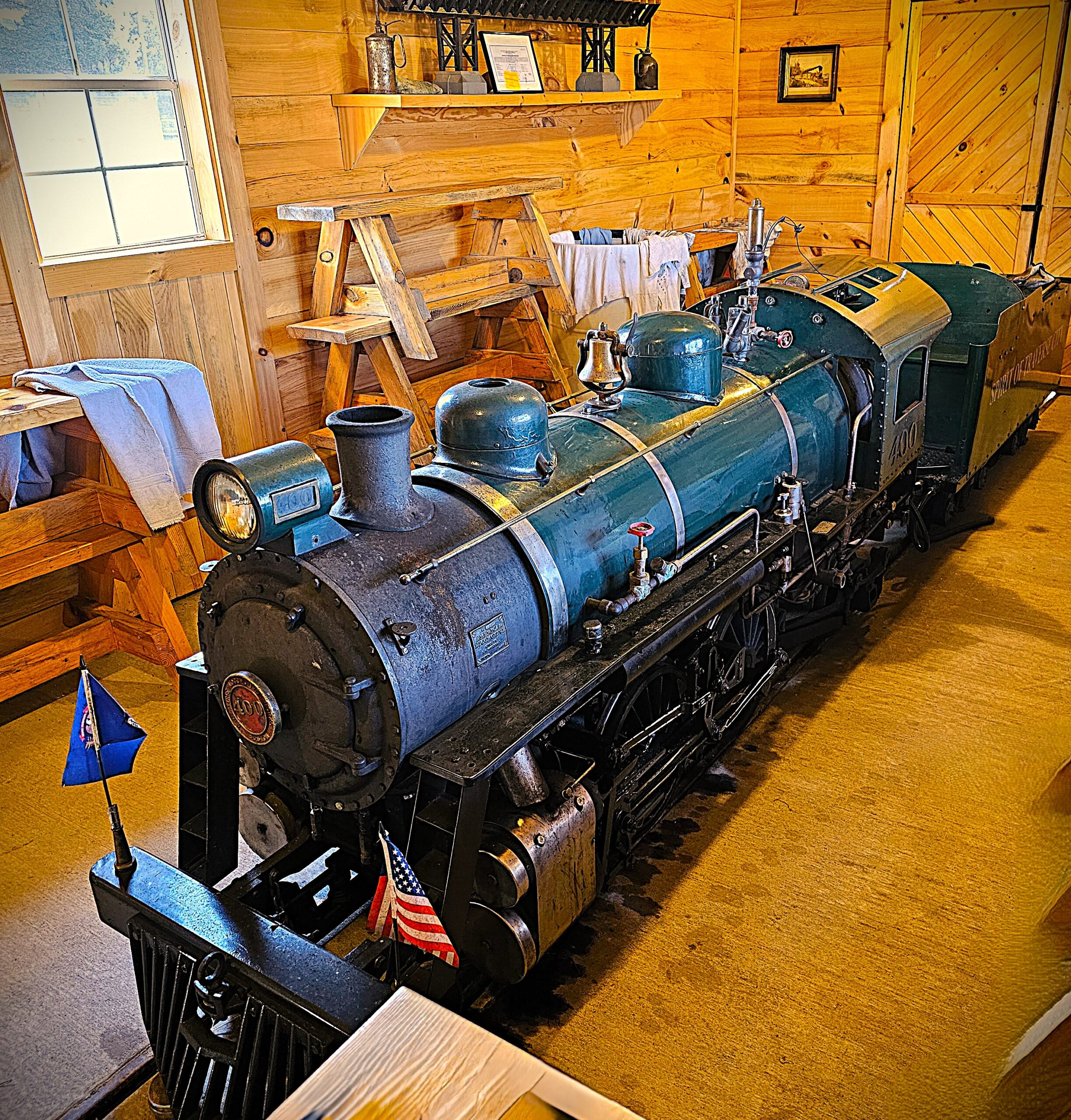
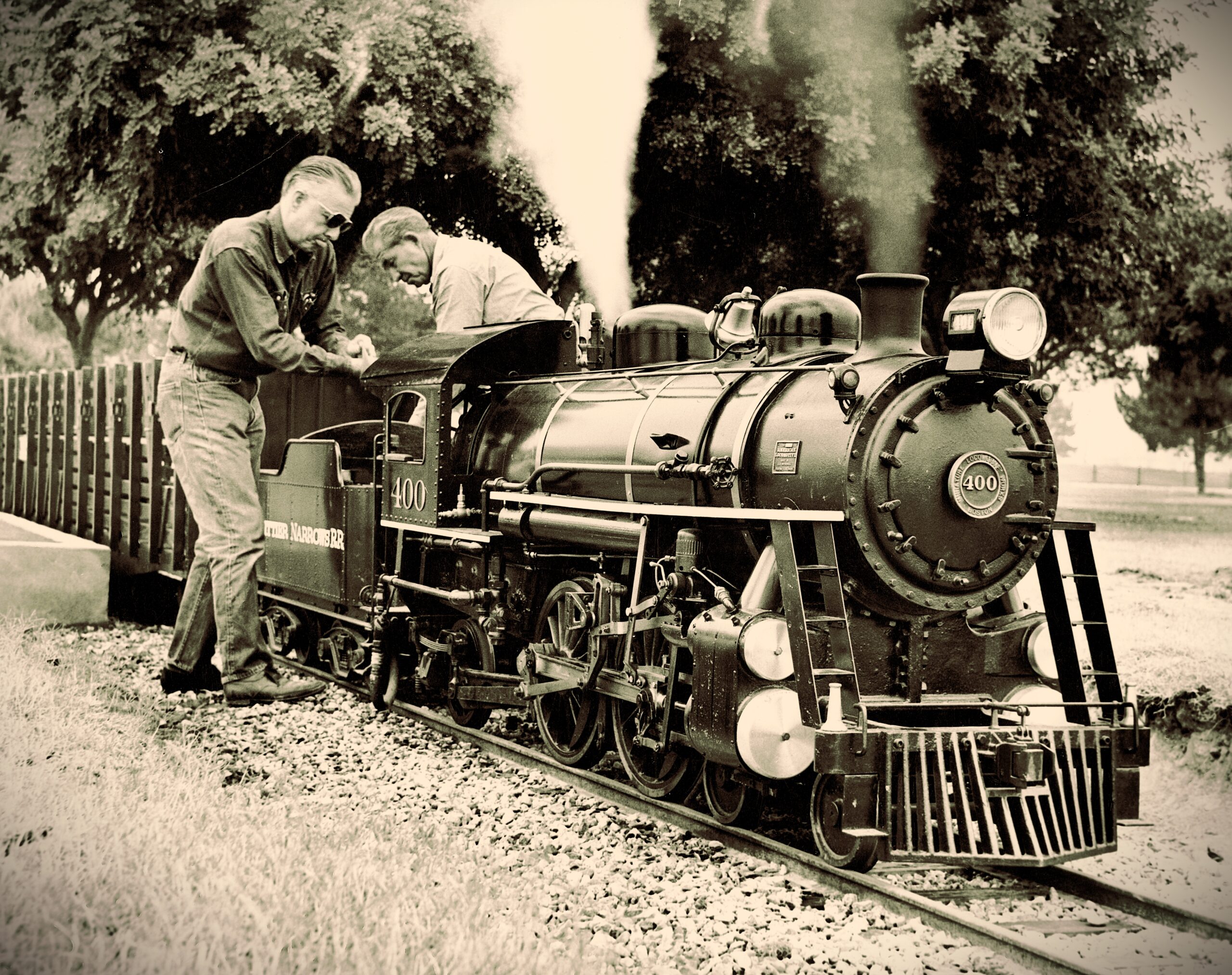
Around the same period, my father also helped start the Whittier Narrows steam train, a 15-inch gauge railroad built with Seymour Johnson of Johnson Controls. Although the operation only lasted a few years, the locomotive and train survive today at the Buckley Old Engine Show Museum in Buckley, Michigan, where they still operate during the summer.
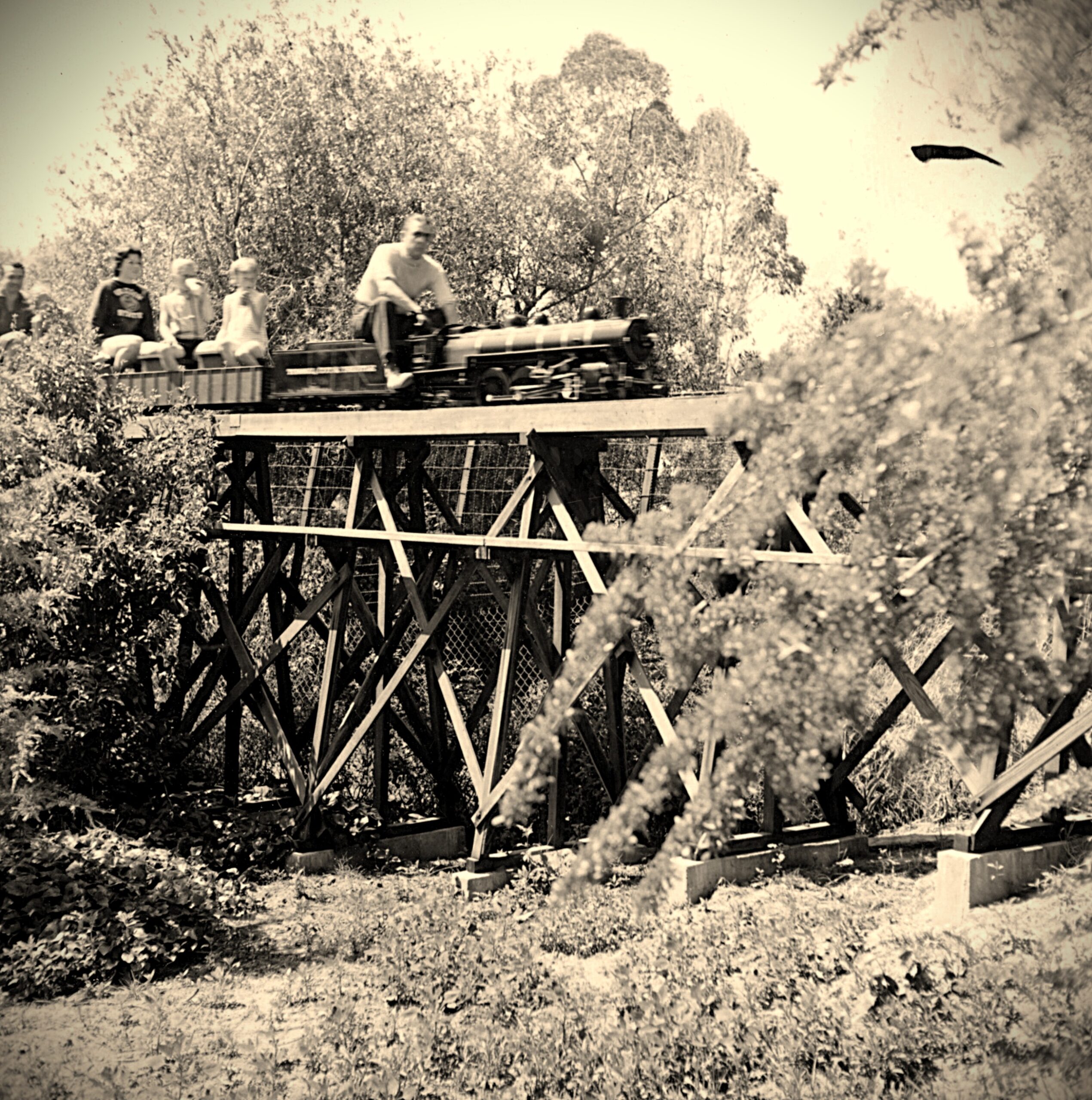
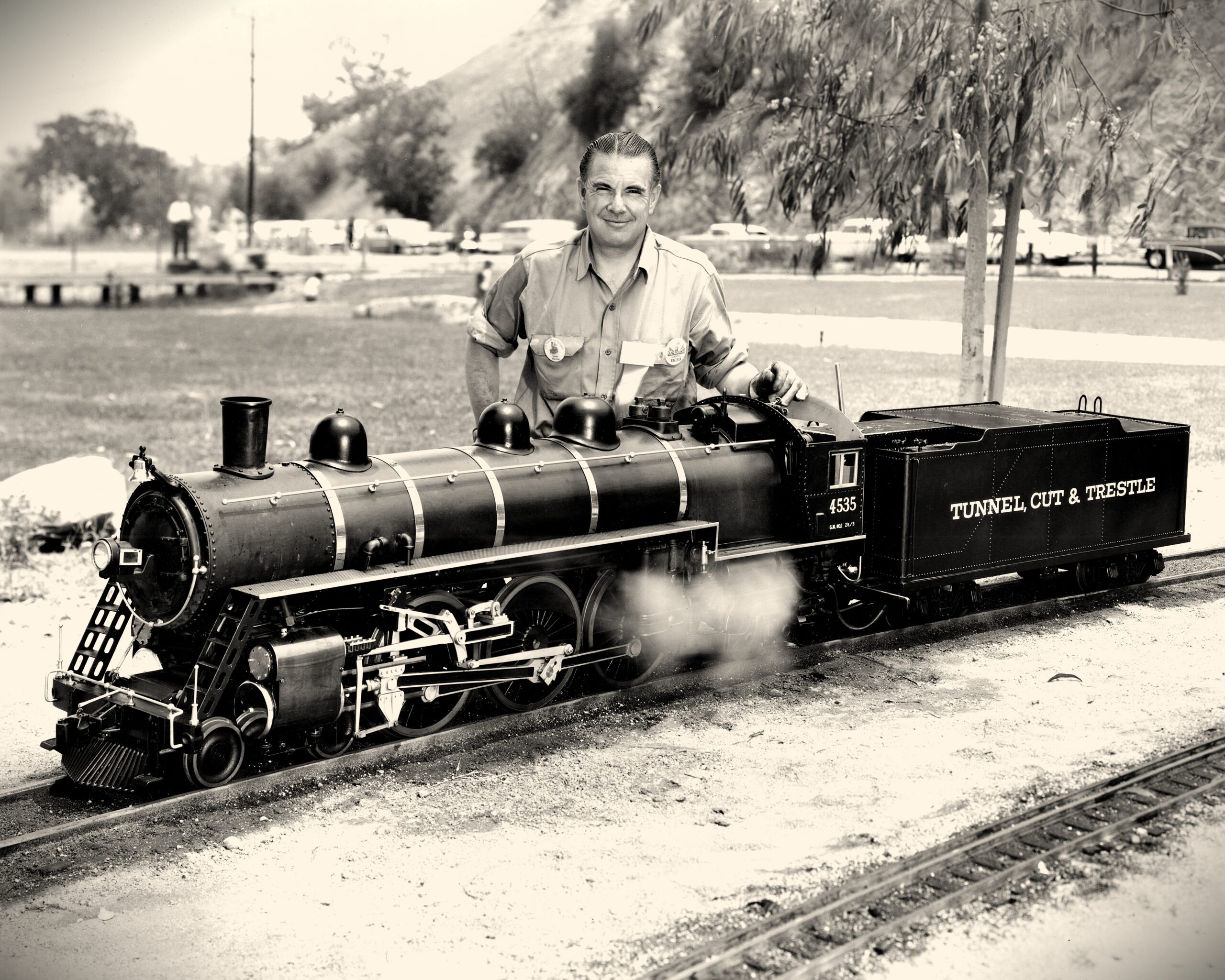
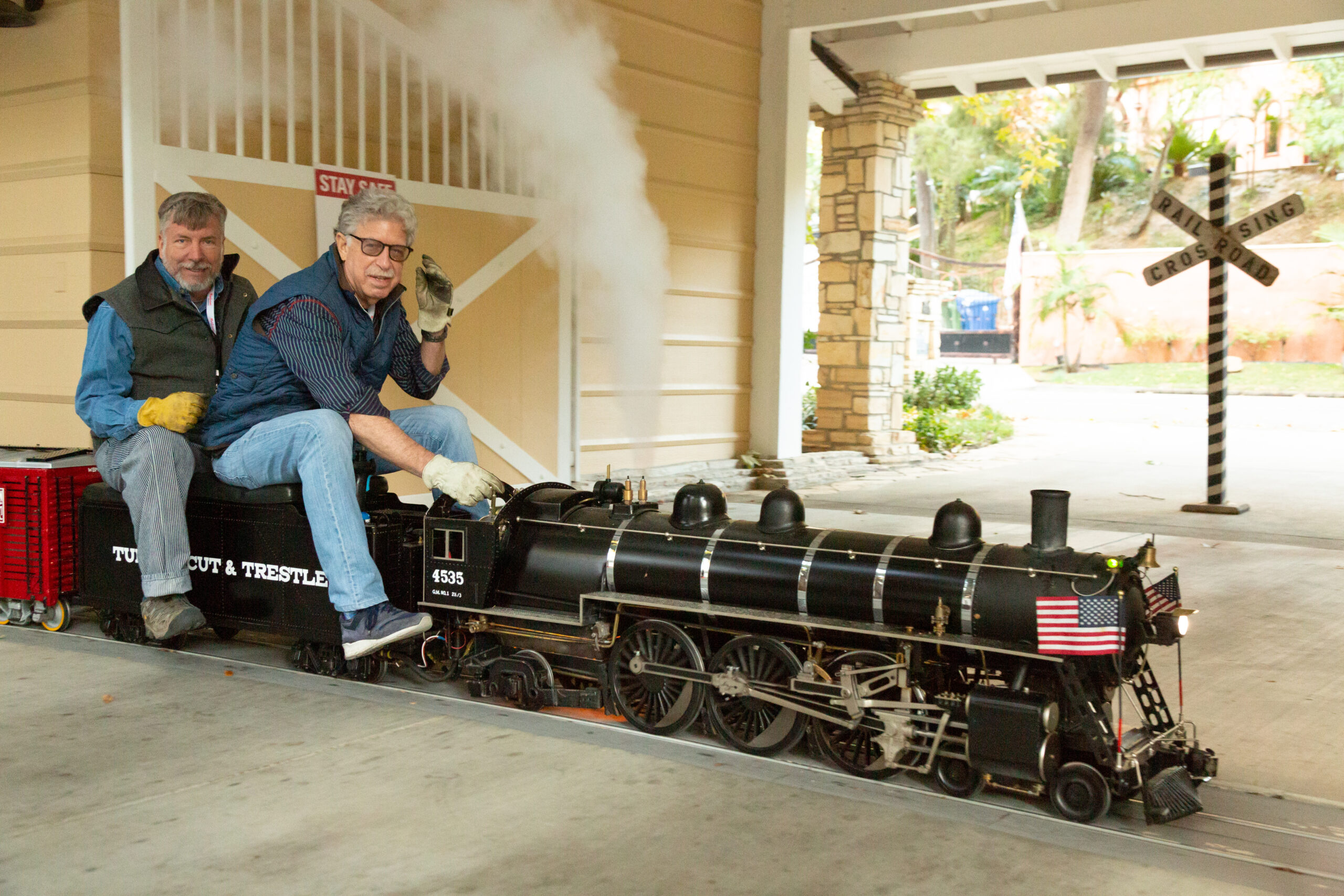
In the late 1950s, my parents built what would become the famed Tunnel, Cut & Trestle Railroad in Tarzana . Many Sundays were spent with Walt Disney at our home, running the train around the property and then gathering neighborhood kids inside to watch his movies—shown in our living room, once John Huston’s private screening room. The railroad is still in operation today and was recently fully restored. It remains a private estate railroad and is not open to the public, yet it is widely regarded as one of the finest estate railroads in the country. The house and railroad are a true piece of Southern California history and were placed on the market in 2025 for $20 million.
The original steam locomotive from that railroad now resides in my conference room in Reno, Nevada. We regularly take it to steam parks, where it continues to run—just as it did decades ago.
My own first attempt at model railroading came much earlier. Around the age of six or eight, I built an N-scale railroad on a 4-foot by 8-foot sheet of plywood. With no understanding of grades, curves, or engineering principles, it became more of a roller coaster than a railroad. It was fun to build, but it never truly ran—though the spark had clearly been lit.
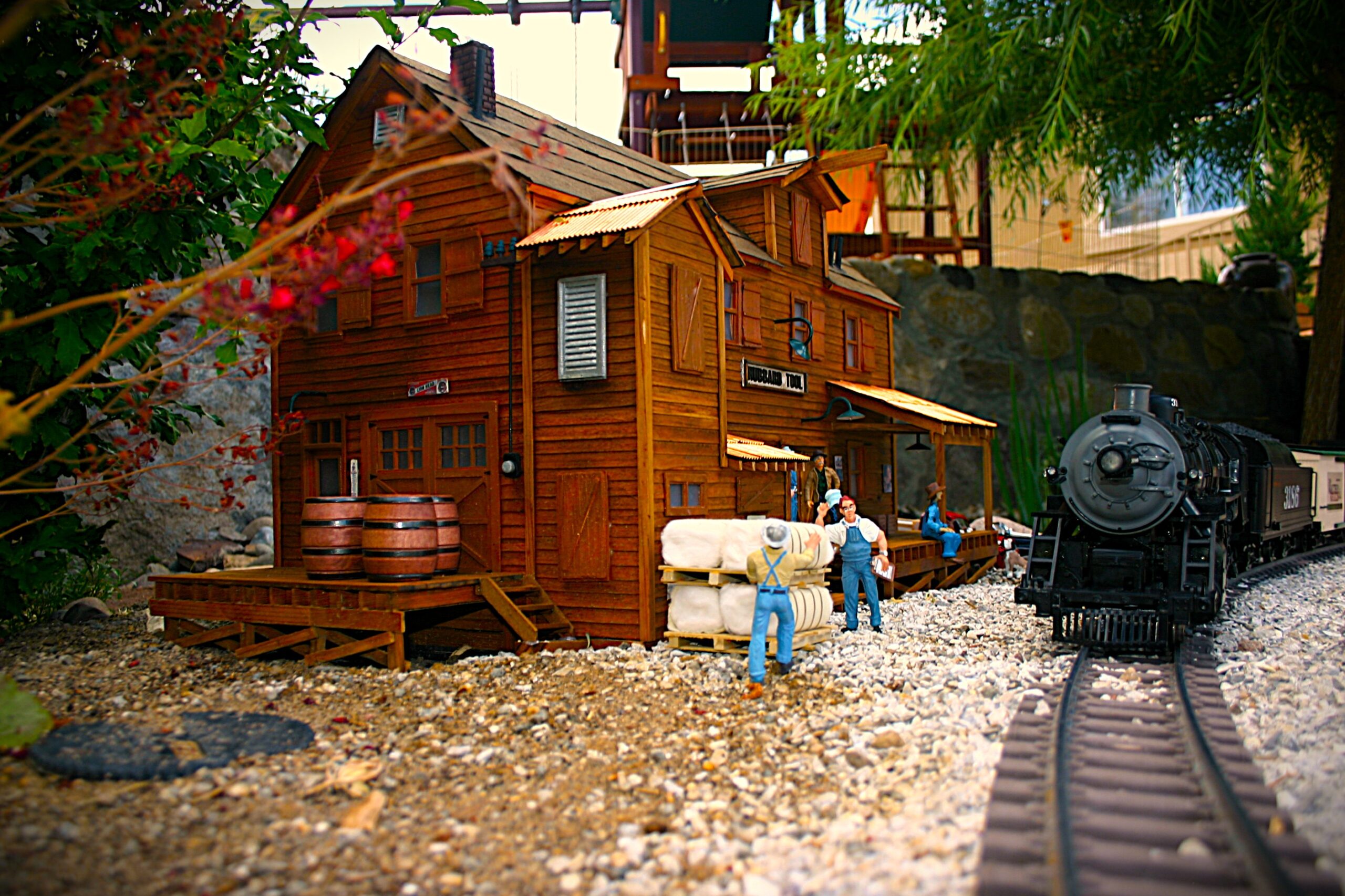
In the 1990s, I discovered a magazine dedicated to garden railroads, and that moment changed everything. I decided to build my first outdoor railroad: the Sierra & Kettle Valley Railroad, named after both a Canadian red wine and the Sierra Nevada mountains. The original line featured roughly 1,000 feet of track, a single siding, three tunnels, one bridge, and a long stone viaduct. Today, that viaduct lives on in the Alpine Division, crossing Alta Creek. At the time, the railroad even extended through the fence and out to the sidewalk.
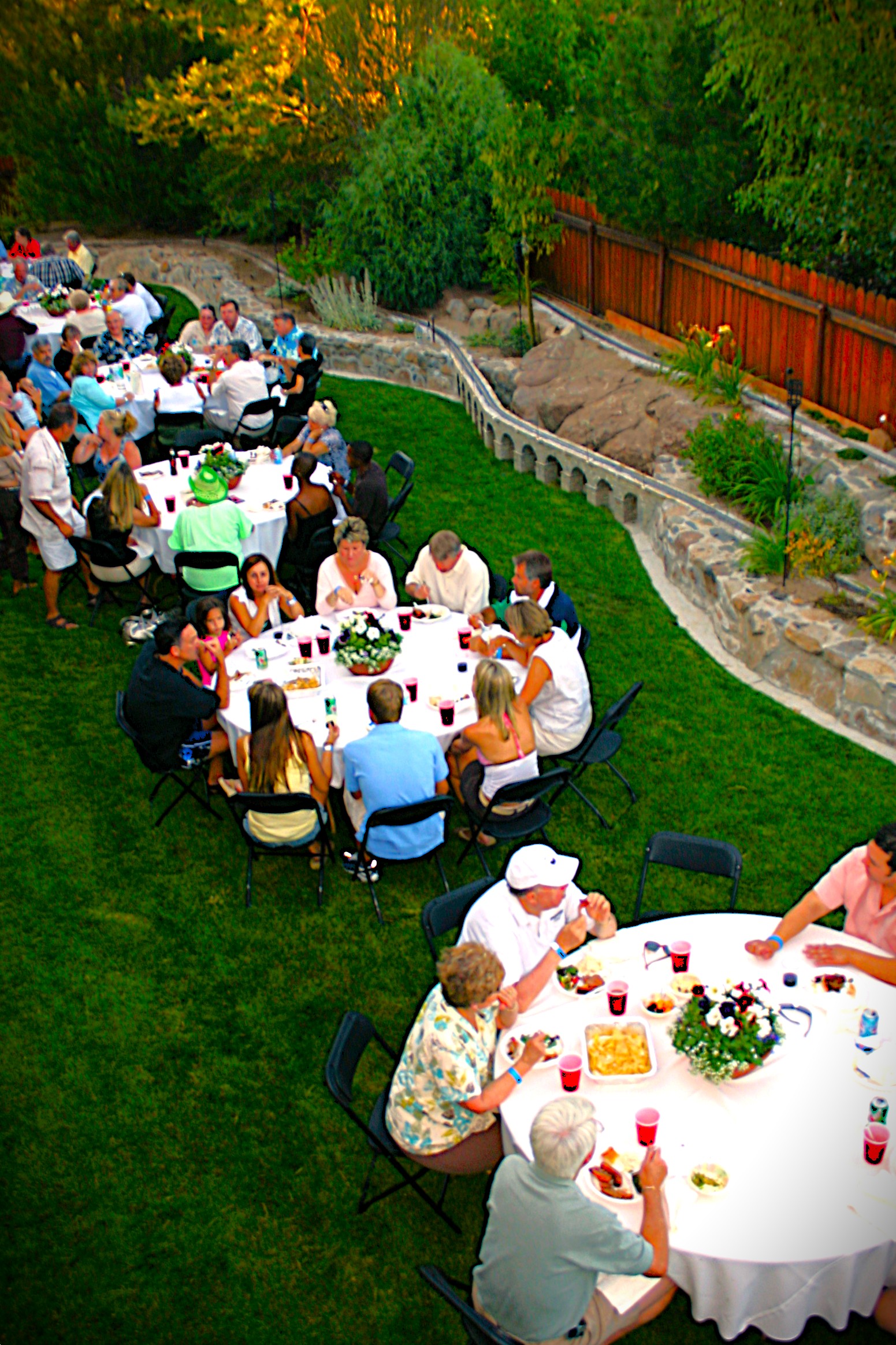
From these early efforts grew the Water & Rails Tour, through which we hosted numerous fundraising events. Together, these railroads have raised more than $750,000 for local and national charities—a reflection of my family’s belief that railroading should serve community as much as creativity.
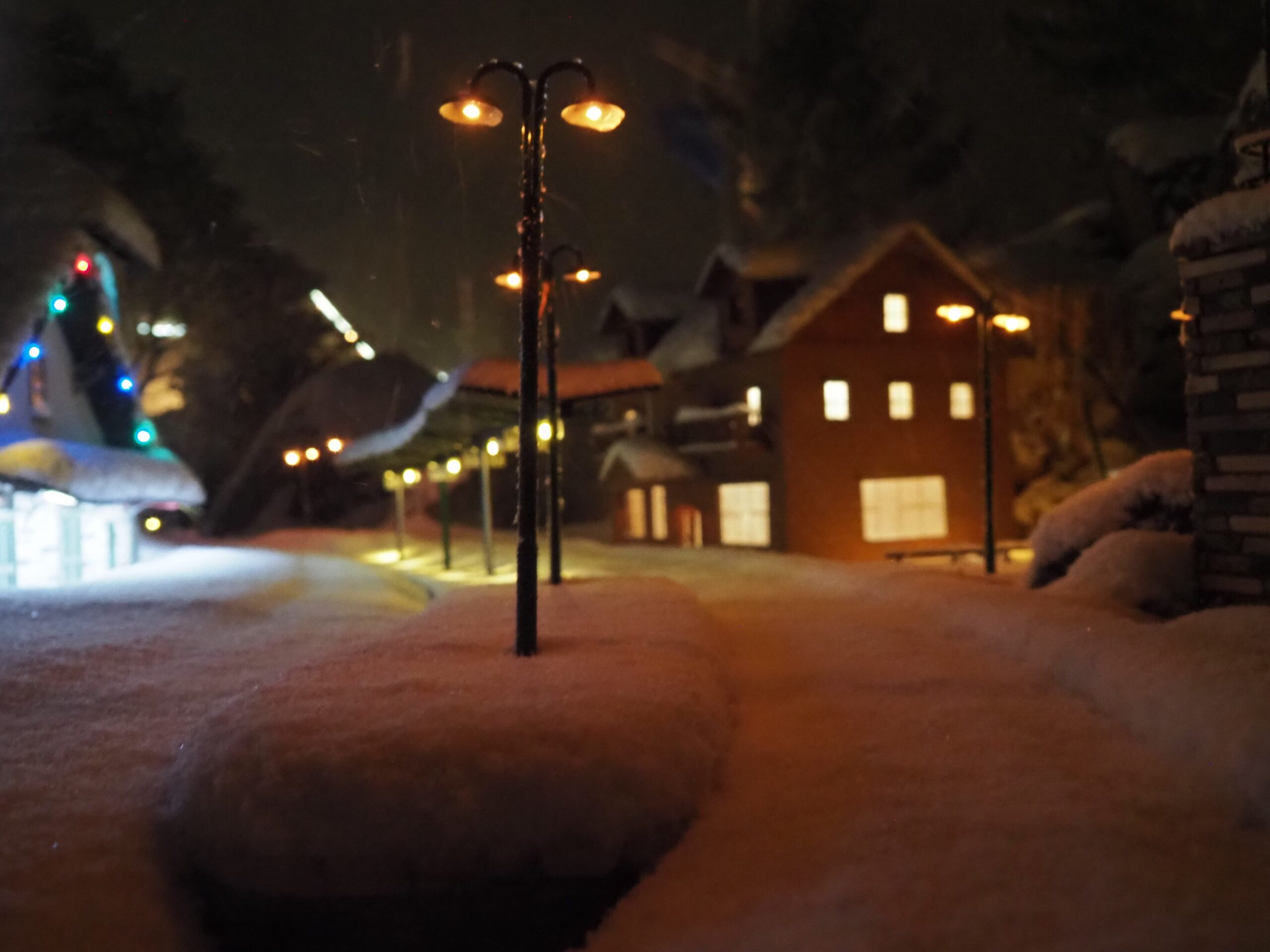
The story of the Alpine & Western Pacific Railroad formally began in 2000. What started as a backyard passion project steadily grew into one of Northern Nevada’s most ambitious and immersive garden railroads. The track expanded to several thousand feet, with additional tunnels, bridges, and water features added year after year. The railroad evolved into a fully realized miniature world.
The track is constructed of nickel-plated brass—exclusively from Trainli—set into continuous concrete landscape curbing to ensure durability, precision, and smooth operation in all seasons.
Each division—Alpine, Western Pacific, and Tahoe Junction—reflects a distinct landscape and narrative. Handcrafted buildings are inspired by real locations from around the world, and the track weaves these environments together into a cohesive story of history, engineering, and imagination.
Looking ahead, a major expansion of the Western Pacific Division will begin in 2026. This next phase will feature a modern Western U.S. mainline railroad, dramatic water and fire elements, an indoor-outdoor entertaining area, and a large underground train room. The expansion will also include a cog railroad, tramway, and gondola system—bringing together railroading, architecture, and hospitality in a way that continues a legacy begun more than seventy years ago.