Frequently Asked Questions
About Us
Q: Why build a garden railroad?
Real-life strategy to reach your goals.
Q: Can we touch the trains?
Real-life strategy to reach your goals.
Q: Is this based on a real railroad?
Real-life strategy to reach your goals.
We strive for diversity across the globe
Q: What is the roadbed made of?
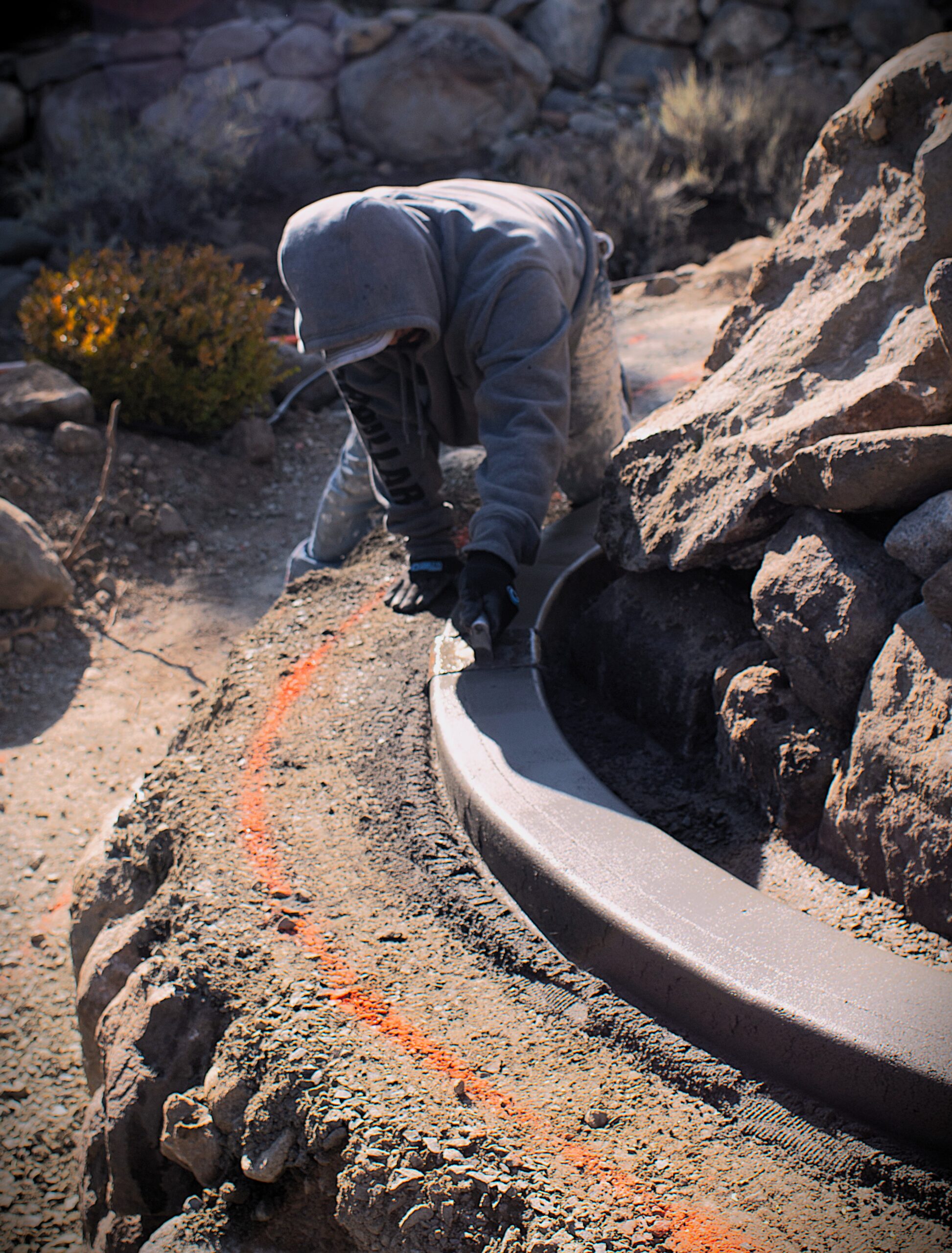
The roadbed is made from continuous concrete curbing—the same type used around lawns. I experimented with gravel, pressure-treated lumber, and Trex, but none performed well long-term. The concrete curbing has been trouble-free, easy to install, and provides a smooth, consistent ride for the trains.
Q: Do you leave the railroad out all year?
Q: Do you leave the railroad out all year?
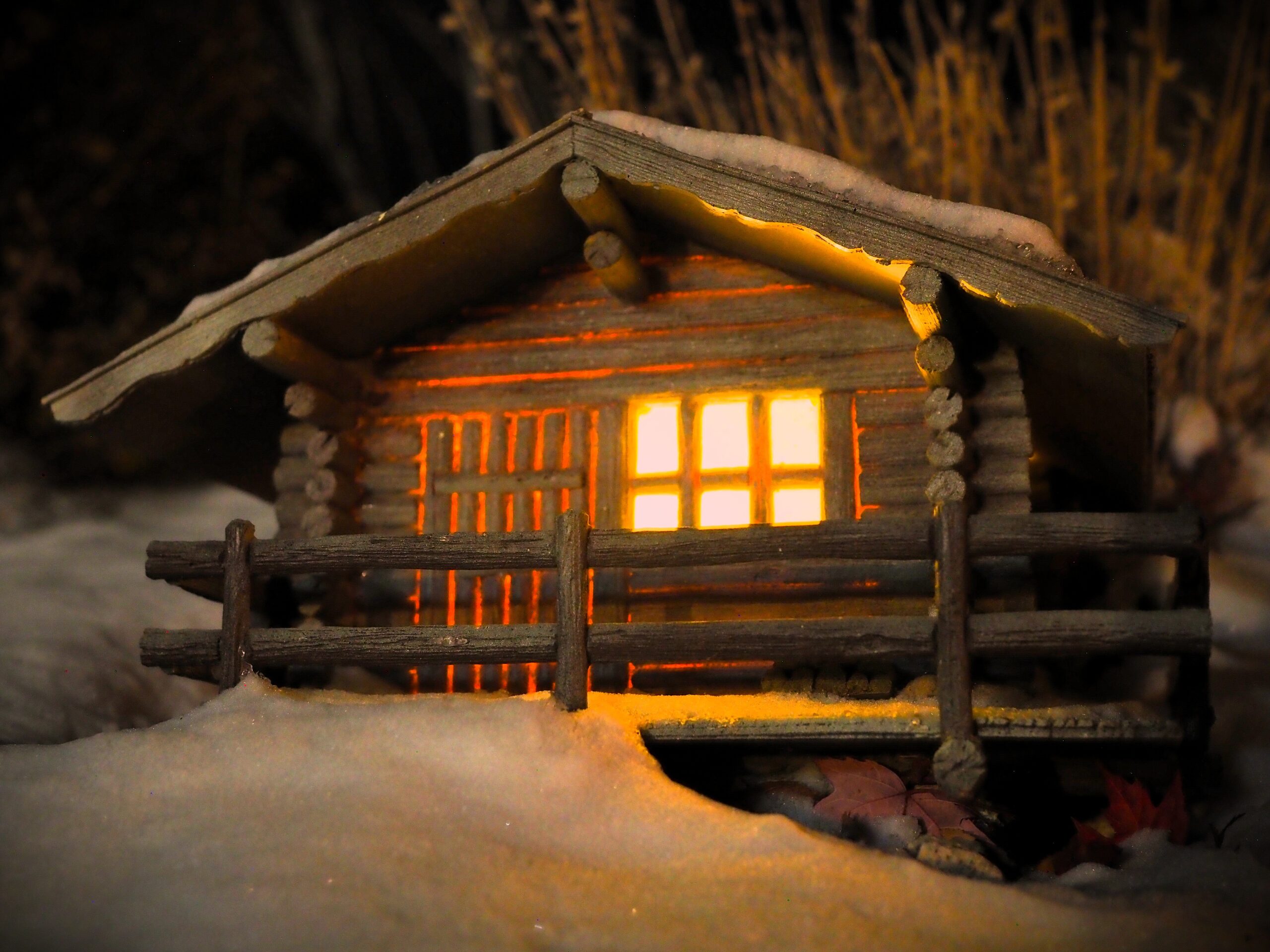
A: Yes—just like the real railroads. All track and nearly all buildings remain outside year-round. During the winter, I bring the switch motors inside for cleaning, and all locomotives come in at night.
Q: Do you run trains in the winter?
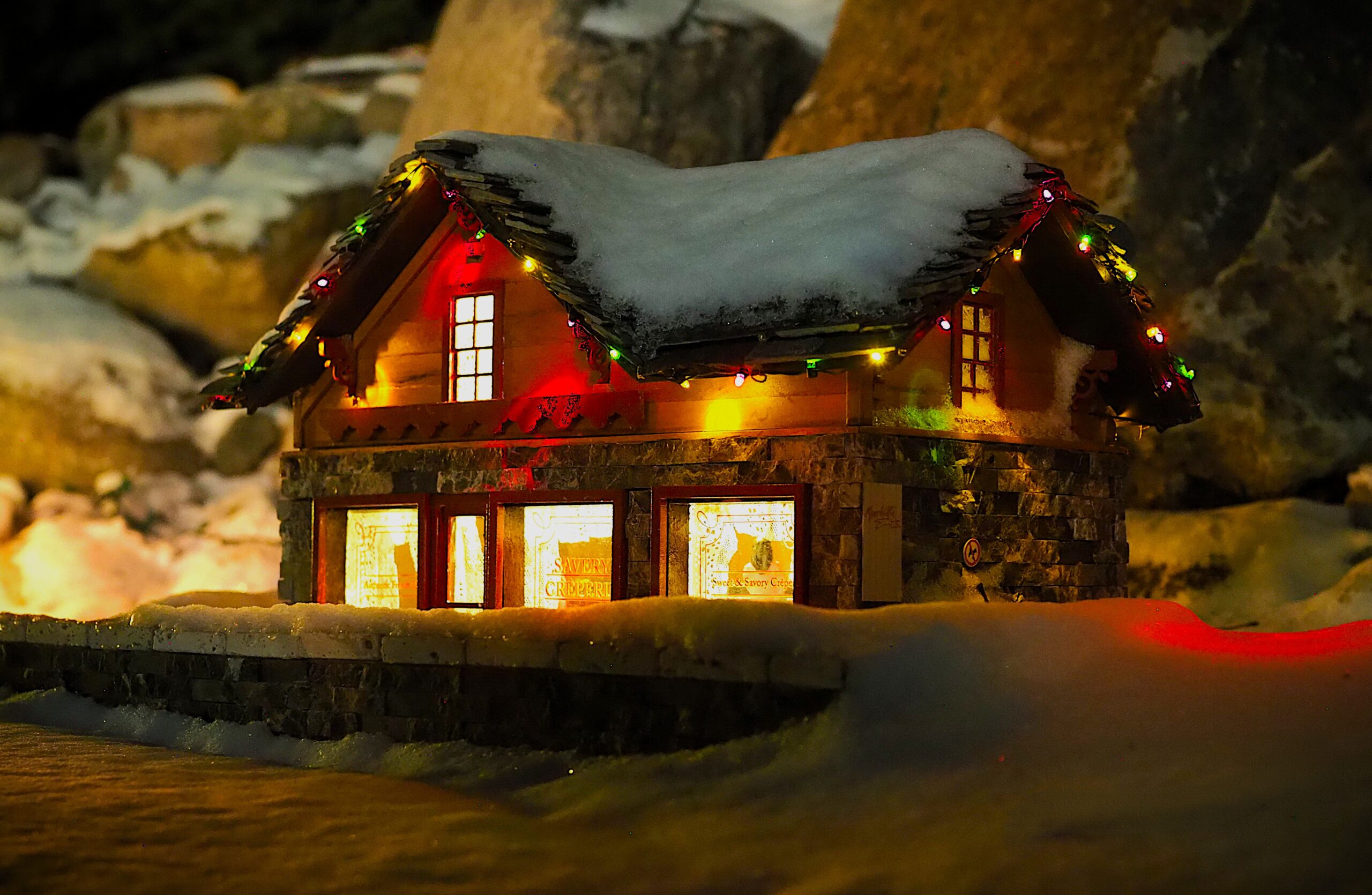
A: Yes. The railroad even has a snowplow. As long as there isn’t too much snow, trains can run. The best conditions are above freezing or well below it. Around 32°F, ice can form on the rails, which makes operation difficult. Check out the video of the train running in snow.
Q: Is this a hobby or an obsession?
A: Yes
Q: What happens if a train derails in a long tunnel?
A: Derailments are usually caused by debris—rocks, sticks, pinecones—not by the tunnels themselves, which stay fairly clean. If a derailment occurs, the first attempt is by hand or with a long pole fitted with a small hook. Most tunnels have access hatches every six feet, hidden under a few inches of dirt or rock.
The long, straight tunnels under the patio and driveway do not have access hatches. In those cases, we disconnect the track at each end and carefully pull the train and track out together.
Q: Are those real rocks with water flowing out of them?
A: Yes. Each rock has holes drilled into it, with hoses connected to water pumps in the pond
Q: How can you tell if a train has been through?
A: That’s easy—it left its tracks.
Q: What’s the best place to watch trains run?
A: Anywhere you stop walking.
Q: Why are there so many tunnels?
A: Because every good railroad needs mystery.
Q: What is the longest tunnel on the railroad?
A: The longest straight tunnel is about 50 feet and is located on the Western Pacific Division under the patio. Another tunnel—about 60 feet long—is the helix tunnel on the Tahoe Junction Division.
Q: How fast do the trains go?
A: Fast enough to be exciting and slow enough to admire the scenery. We generally run them at realistic scale speeds.
Q: How long does it take for a train to make a complete loop?
Real-life strategy to reach your goals.
A: That depends on the route—anywhere from about 10 minutes to over 30 minutes.
Q: How many power feeds are there?
A: There are three—one for each division—using nickel-plated brass rail and rail clamps from www.trainli.com, there is no need for more because the rail makes for excellent conductivity. It is basically a heave gauge wire.
Real-life strategy to reach your goals.
Q: What got you interested in trains?
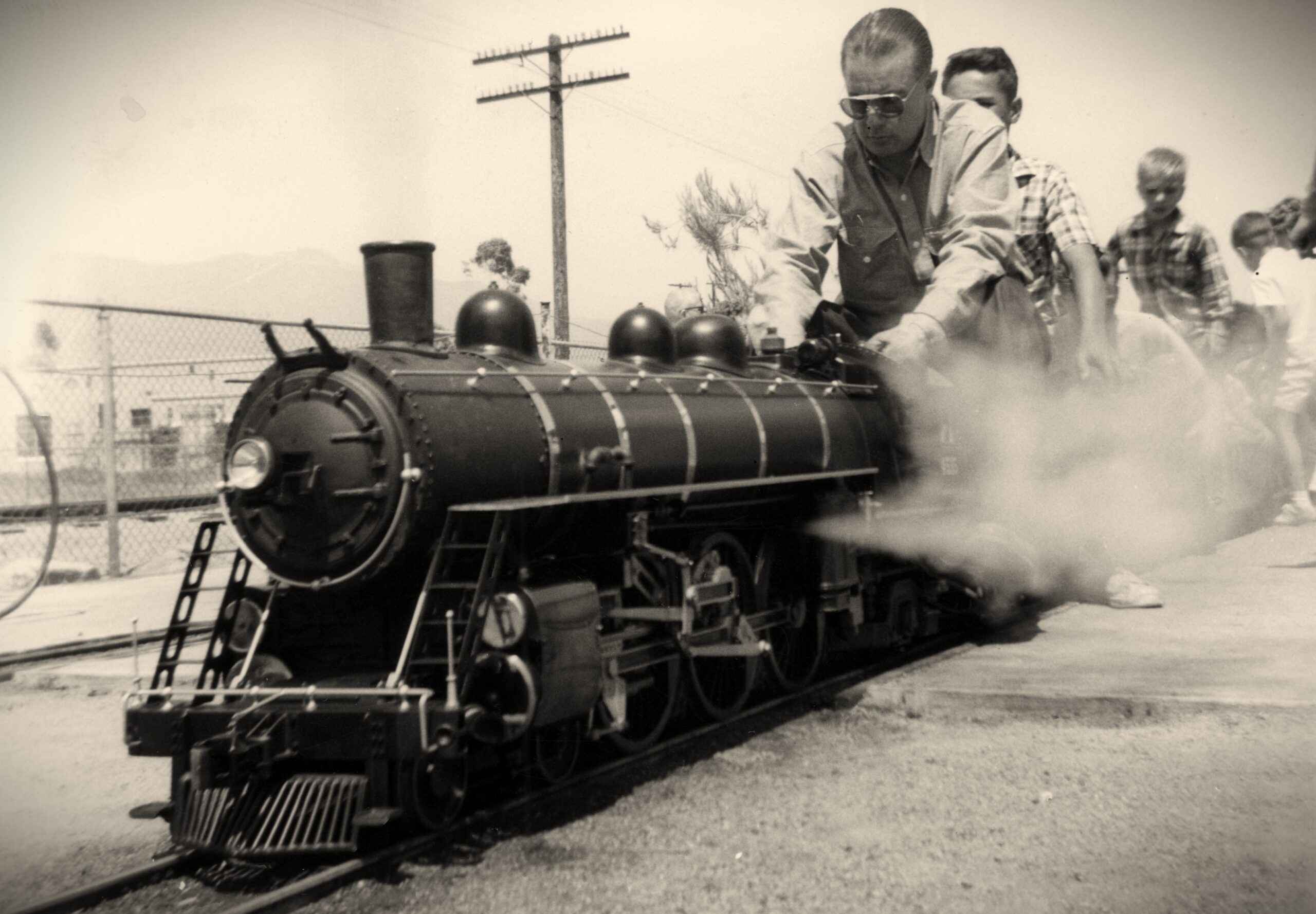
A: My love of trains started early. My dad was friends with Walt Disney, and in the late 1950s they built a live-steam railroad that ran around our home in Tarzana, California. I spent countless hours riding behind my dad. After the house was sold in 1972, I tried building an N-scale railroad when I was about 10—but eventually gave up. In 2000, I discovered Garden Railroads magazine and realized this was the perfect way to bring trains back into my life. The rest is history.
Q: How big is your railroad?
A: I’m often asked, “How big is your train set?” A more accurate question might be, “How vast is your railroad empire?” A train set is something you place around a Christmas tree. What I’ve built is a working miniature railroad system.
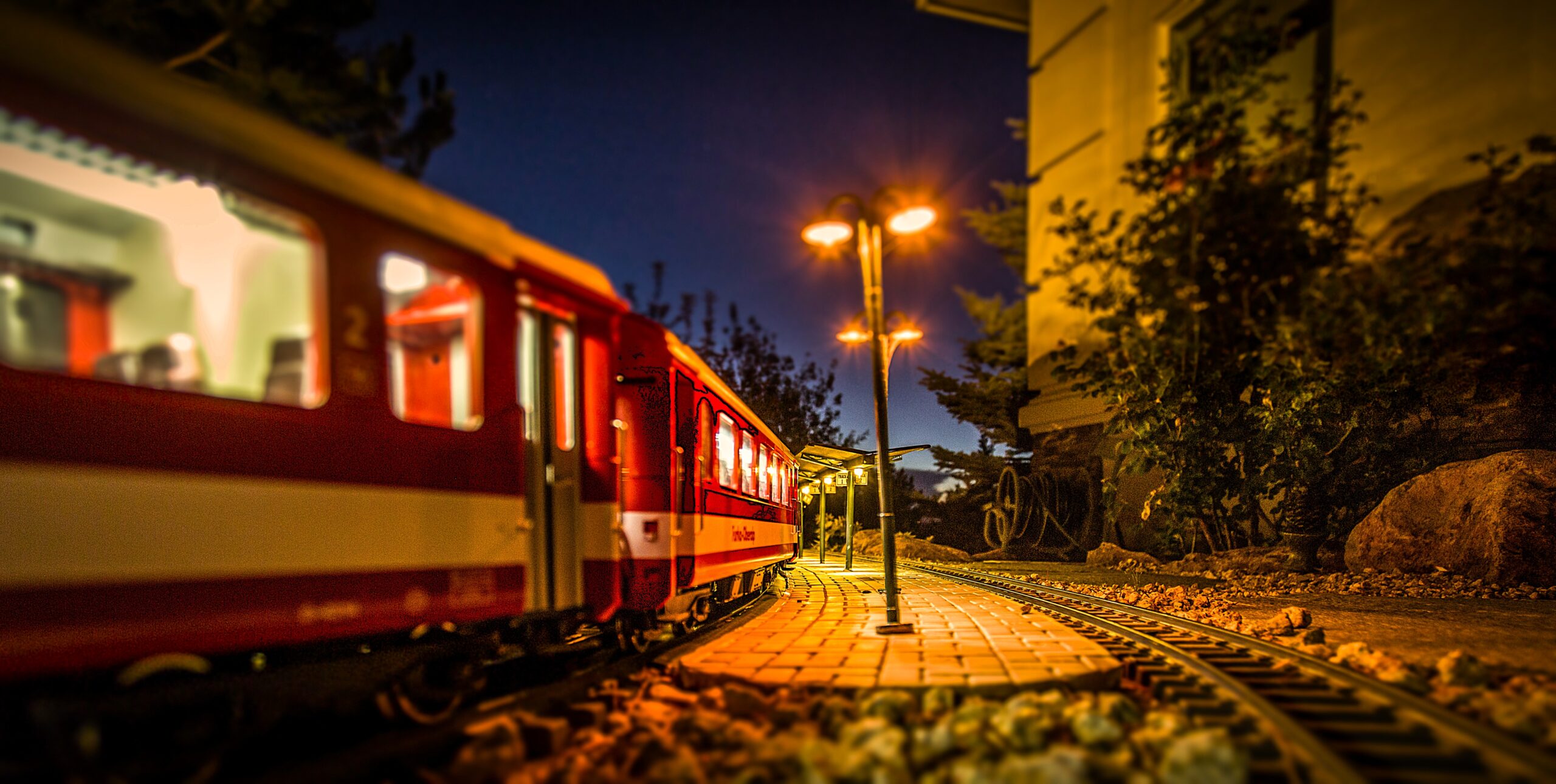
The Alpine & Western Pacific Railroad is organized around two primary themes. The front and side yards—home to the Alpine and Tahoe Junction Divisions—are inspired by Swiss Alpine railroading. The backyard is dedicated to the Western Pacific Division, modeled after a modern U.S. railroad in the western region. Each division includes towns, industries, and businesses that the railroad actively serves.
Alpine Division: 4 tunnels and 4 bridges (2 stone viaducts)
Tahoe Junction Division: 14 tunnels and 2 stone viaducts
Western Pacific Division: 9 tunnels and 4 bridges
Altogether, the railroad encompasses several thousand feet of track, weaving through landscapes, structures, and operating scenes that form a true miniature railroad empire rather than a simple train set.